Understanding Model Railway Scales and Gauges
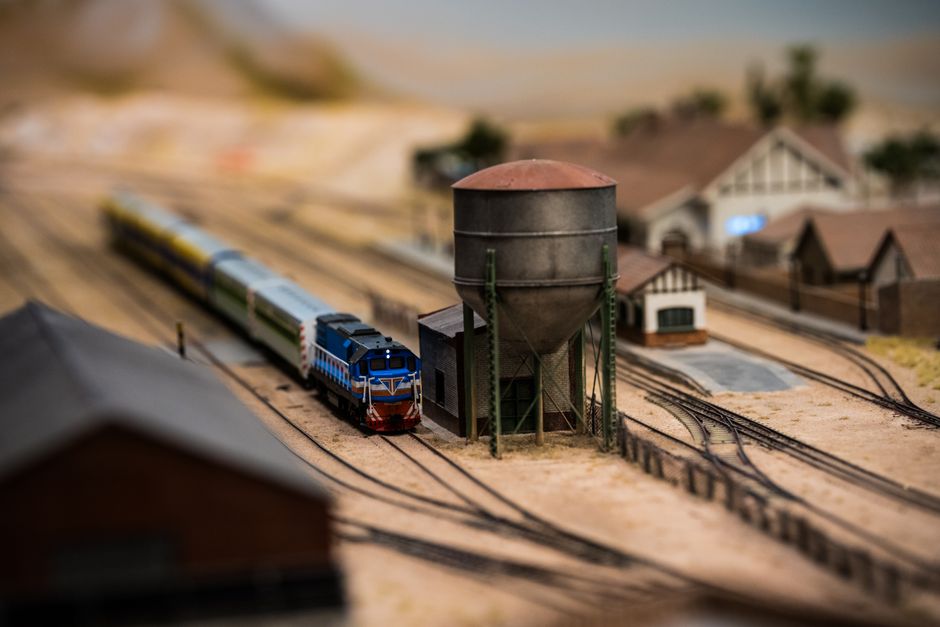
The terminology surrounding model railways can confuse newcomers. Understanding scales and gauges is essential for making informed purchasing decisions and avoiding costly mistakes.
Scale Versus Gauge
These terms mean different things. Scale refers to the size ratio between your model and a real train—for example, OO scale is 1:76, meaning everything is 76 times smaller than the real thing. Gauge describes the distance between rails. This distinction matters because different scales can use the same gauge, and the same scale can use different gauges.
OO Gauge (1:76 Scale)
OO is the standard British gauge and the most popular choice in the UK. The 16.5mm distance between rails is ideal for most home layouts. OO offers the best balance of detail, affordability, and space efficiency. A huge range of British prototypes exists, making it excellent for authentic recreations.
HO Scale (1:87 Scale)
HO uses 16.5mm gauge rails like OO but represents a smaller real-world size. It's the international standard and offers slightly better detail-to-space ratio. However, fewer British-specific models exist, though continental European and American options are abundant.
N Gauge (1:148 Scale)
N gauge uses 9mm rails and is significantly smaller than OO. It's perfect for limited spaces—a comprehensive layout fits on a modest table. Detail is respectable, though fiddly for those with less steady hands. Running costs are lower, but prices per model are often higher.
O Gauge (1:48 Scale)
O gauge is large and impressive, using 32mm rails. Models display exceptional detail and are enjoyable for those with dexterity challenges. However, layouts require substantial space and budgets. It's ideal if you have a dedicated room or garden railway aspirations.
Smaller and Larger Scales
Z gauge (1:220) exists for those with extremely limited space, whilst G gauge (1:22.5) suits garden railways. These are specialist choices with limited model availability compared to mainstream scales.
Choosing Your Scale
Consider three factors: available space, budget, and your interests. OO remains the safest choice for most British modellers. N gauge works brilliantly if space is tight. HO suits those with continental interests. O gauge appeals to those prioritising detail and comfort over space efficiency.
Prototype Availability
Ensure your chosen scale offers models matching your interests. If you're passionate about specific Welsh railways or industrial railways, check that appropriate models exist before committing to a scale.
Future-Proofing
Choose a scale with healthy market support. OO, HO, and N all have thriving communities and regular new releases. Less common scales may become difficult to expand or repair in future years.
Take time choosing your scale—it's the foundation of your entire hobby journey.