Getting Started in Model Railways: A Beginner's Guide
Model railways remain one of the UK's most beloved hobbies, combining creativity, engineering, and nostalgia. Whether you're drawn to the intricate detail of miniature locomotives or the satisfaction of building a complete layout, there's never been a better time to start.
Choosing Your Scale
The first decision is selecting a scale. OO gauge is the most popular in Britain, offering excellent detail and a good range of affordable models. N gauge takes up less space but requires steadier hands for assembly. HO scale is common in Europe, whilst larger scales like O gauge appeal to those with more room and budget.
Your First Starter Set
Begin with a quality starter set rather than individual components. These typically include a locomotive, several wagons, a controller, and basic track. Brands like Hornby and Bachmann offer reliable beginner sets that won't break the bank. Expect to spend £100-200 for something decent that will last.
Building Your Base
You'll need a solid foundation for your layout. A piece of plywood on a simple frame works perfectly. Many hobbyists use an old dining table or build a dedicated baseboard. Ensure it's sturdy and at a comfortable working height—roughly waist level is ideal.
Track and Wiring
Start simple. A basic oval or figure-eight layout teaches you everything you need to know about track laying and wiring. Don't be intimidated by electrical connections; modern systems are much more beginner-friendly than they once were. Follow the instructions carefully and test everything before securing track permanently.
Adding Scenery
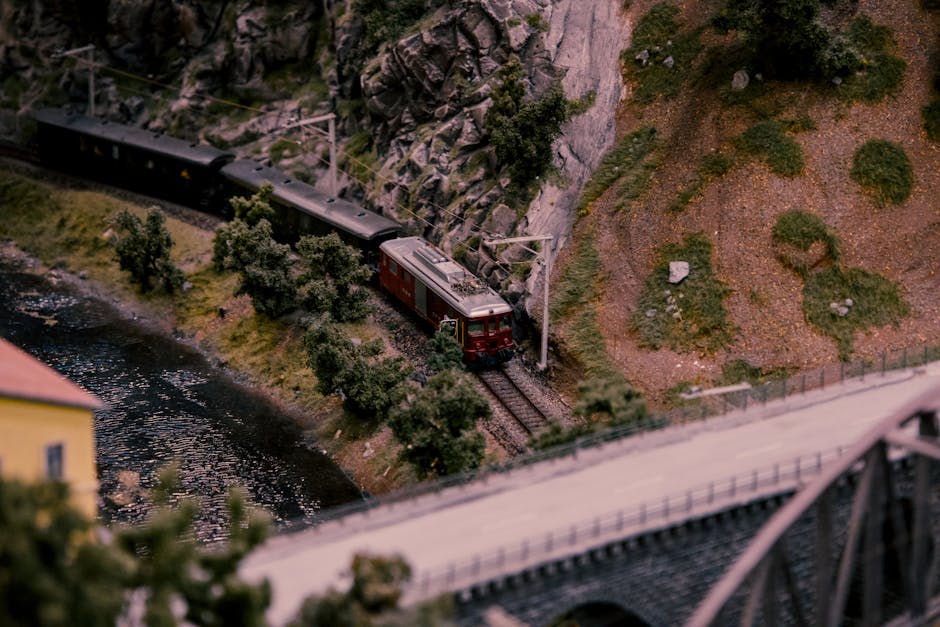
Scenery transforms a layout from functional to magical. Begin with landscape basics: grass matting, trees, and buildings. These don't need to be expensive—craft shops sell excellent materials at reasonable prices. Take your time; scenery work is where you'll develop your personal style.
Joining the Community
Connect with other modellers through local clubs and online forums. The model railway community in Wales is particularly welcoming, and you'll learn invaluable tips from experienced enthusiasts. Clubs often provide access to tools, expertise, and friendship.
Budget Considerations
You don't need to spend a fortune. A complete starter setup—baseboard, track, locomotive, wagons, and scenery basics—can be assembled for £300-500. Expand gradually as your skills and interests develop.
Model railways reward patience and attention to detail, but the learning curve is gentle. Start small, enjoy the process, and your layout will naturally grow into something you're genuinely proud of.